 Government of Sint Maarten
Education, Culture, Youth & Sport
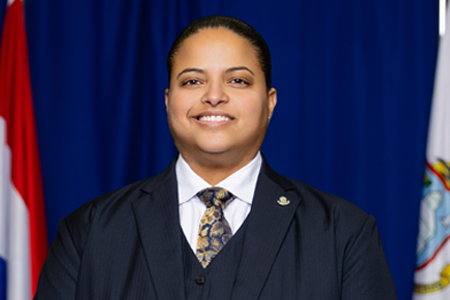
Ms. Melissa D. Gumbs· Minister of Education, Culture, Youth & Sport
The Ministry of Education, Culture, Youth and Sport funds and runs Sint Maarten's schools, student financing, and cultural, youth and sports programmes to build a lifelong-learning society.
Spending by cost category
- Cg 31M25%
- Cg 16M13%
- Cg 75M60%
- Cg 4M3%
Spending outlook
Capacity to deliver
Strategic objectives
- 01Better integrate culture, sport and education with labor-market needs and strengthen secondary and vocational education (CAPE, IB, VWO, CVQ, SMVTS reform).
- 02Improve access to education and student development, financing compulsory public and subsidized education and expanding special and higher education.
- 03Improve learning outcomes for all students through the Education Supervision Ordinance, Education Council, examinations and innovation projects.
- 04Bring education, culture and sports facilities into better conformity with (international) standards via school, gym and library reconstruction.
- 05Professionalize the education, culture, youth and sport sectors (teacher conditions, job classification, special-education training, youth mainstreaming).
- 06Increase youth awareness and participation in society, sustaining compliance with the Convention on the Rights of the Child.
Key programmes & projects
Students participate in primary, secondary, secondary vocational and higher education, with accountability and audit of subsidized entities.
Students participate in compulsory public education within the Public Education Department.
Eligible students receive student financing and support to study abroad, providing access to further education.
Transport provided for students to and from school and extracurricular activities under the new school-bus policy.
Purchase of land and architectural drawings for new indoor facilities to expand access to sport, culture and youth development.
Culture as an engine of development: publications, Sage Culture Awards, national holidays calendar, Monuments Fund and Culture Council to preserve and promote heritage.
Indicators & targets
- Projected budget increase 2025 to 2026Target: +2.9% to Cg 126 million
- Share of personnel costs deployed for primary tasksTarget: 80% (Cg 25 million)
- Material costs as share of total costsTarget: 75% of total (Cg 94.5 million); subsidies 60%, projects 6%, other 9%
- Workforce occupancy (filled positions)Target: 81% of total workforce filled (281 of 347 FTEs)
Key risks
- Education: delays in recruiting staff and a persistent shortage of senior policy officers reduce productivity, increase sick leave and delay key outcomes (likelihood 4, impact 4).
- Youth affairs: insufficient budget for policy development plus recruitment delays risk reduced access to services, non-compliance and rising social inequality (likelihood 5, impact 2).
- Sport: continued reduction of the sports budget hinders investment in facilities, programmes and athlete development, with knock-on public-health costs (likelihood 5, impact 2).
- Reconstruction Fund projects: high price inflation for goods and services threatens sustainable financing, mitigated by per-project spending caps and phasing (likelihood 3, impact 4).